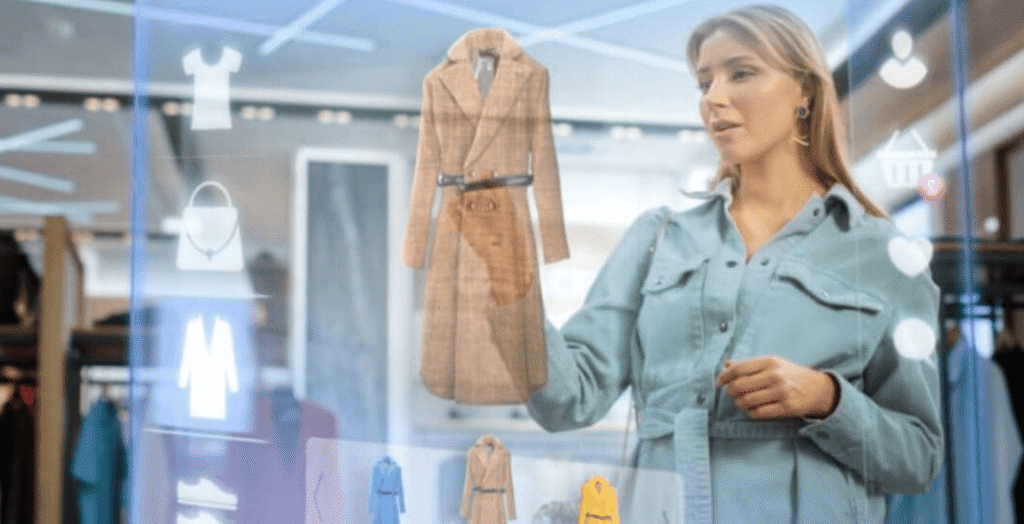
Technology is reshaping the fashion industry in profound ways. Virtual fitting rooms and augmented reality are enhancing customer interactions and personalizing shopping experiences. Meanwhile, AI-driven analytics are enabling brands to anticipate trends and preferences with greater accuracy. Sustainable practices, powered by innovative technologies, are fostering eco-conscious choices among consumers. As these advancements unfold, one must consider how they will redefine the relationship between brands and their audiences. What implications might this have for the future of fashion?
The Rise of Virtual Fitting Rooms
As technology continues to evolve, the fashion industry has increasingly embraced virtual fitting rooms, which allow consumers to try on clothing digitally before making a purchase.
These virtual try ons enhance customer personalization, offering tailored experiences that cater to individual preferences.
This innovation not only streamlines the shopping process but also empowers consumers, granting them the freedom to explore styles without the constraints of traditional fitting rooms.
See also: How Technology Is Changing Our Relationship With Nature
AI and Data-Driven Design
Virtual fitting rooms have set the stage for a broader integration of advanced technologies in fashion, particularly through AI and data-driven design.
By leveraging predictive analytics, brands can anticipate consumer preferences, creating more personalized experiences.
Automated design processes enhance creativity while streamlining production, allowing designers to focus on innovation.
This shift not only empowers brands but also liberates consumers in their style choices.
Sustainable Fashion Through Technology
While the fashion industry has long been associated with unsustainable practices, technology is now paving the way for a more eco-conscious approach.
Innovations in eco-friendly materials, such as organic cotton and recycled fabrics, are being integrated into modern designs.
Furthermore, digital supply chains enhance transparency and efficiency, enabling brands to minimize waste and promote sustainability, ultimately aligning with consumer desires for ethical fashion choices.
Enhanced Shopping Experiences With Augmented Reality
How can augmented reality (AR) reshape the way consumers engage with fashion?
By integrating virtual try-ons and interactive displays, AR provides a dynamic shopping experience that transcends traditional methods. Consumers can visualize clothing on themselves without physical limitations, enhancing their purchasing confidence.
This technology not only personalizes the shopping journey but also fosters deeper connections between brands and consumers, revolutionizing retail environments.
Conclusion
In conclusion, technology is fundamentally reshaping the fashion industry by enhancing consumer interactions and promoting sustainability. For instance, the implementation of virtual fitting rooms by brands like Zara allows customers to visualize outfits without physical trials, significantly reducing return rates. As AI and augmented reality continue to evolve, their integration promises to create a more personalized, efficient shopping experience while fostering a responsible approach to fashion, ultimately bridging the gap between innovation and consumer engagement.