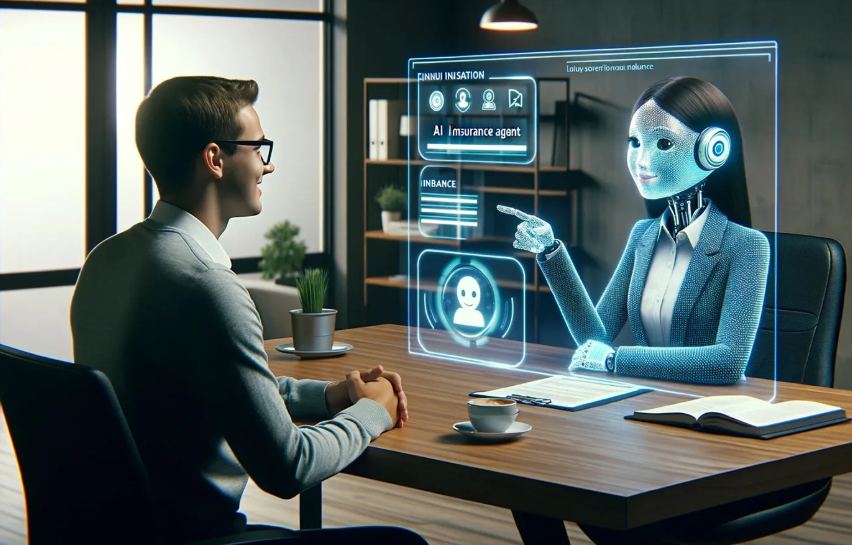
Artificial intelligence (AI) is no longer a futuristic concept, it’s part of our everyday lives. What once sounded like science fiction now powers the apps we use, the tools we depend on, and even the decisions we make. From smart assistants to intelligent design platforms, AI’s quiet integration into daily routines is shaping how we live, work, and create.
In this article, we’ll uncover how AI has seamlessly blended into our homes, workplaces, and creative environments, often in ways you might not realize. Along the way, we’ll explore practical use cases across communication, productivity, entertainment, and design and how this technology is empowering individuals and businesses alike.
🌍 Understanding AI in Modern Context
Before diving into the details, it’s worth clarifying what AI actually means. Artificial Intelligence refers to computer systems designed to simulate human intelligence analyzing data, learning from it, and making decisions or predictions. Unlike static software that follows fixed commands, AI improves over time through experience.
This capacity for “learning” is what makes AI revolutionary. Whether it’s your phone predicting your next word, your car suggesting the fastest route, or your design software adjusting a layout automatically, AI operates quietly behind the scenes to simplify human effort.
Echo Block:
🧠 AI is not about replacing humansit’s about amplifying human intelligence by automating repetitive tasks and enhancing creativity.
🏠 AI at Home: The Smart Living Revolution
One of the most visible areas where AI has taken hold is in smart home technology. Devices such as Amazon Echo, Google Nest, and Apple HomePod use AI driven voice assistants to respond to commands, manage schedules, and control home environments.
Smart thermostats learn your temperature preferences, lighting systems adapt to your habits, and security cameras distinguish between known faces and strangers. Even kitchen appliances, like smart refrigerators, use AI to track food inventory and suggest recipes.
The goal of these innovations isn’t just comfort’s efficiency. AI powered homes reduce energy consumption, enhance safety, and save time. In many households, voice controlled AI systems have become as essential as electricity or WiFi.
Echo Block:
🏡 AI makes homes more responsive and efficient by learning from your routines and automating daily comfort tasks.
💼 AI at Work: From Automation to Innovation
In the professional world, AI’s impact is profound. From automating data entry to generating insightful reports, it’s transforming workflows across industries.
- Customer Support: AI chatbots handle thousands of customer interactions daily, offering instant answers and freeing human agents to focus on complex queries.
- Finance: Machine learning algorithms detect fraud, manage portfolios, and forecast market trends.
- Healthcare: AI tools analyze Xrays and detect anomalies faster than the human eye, assisting doctors in diagnostics.
- Human Resources: Resume screening software uses AI to identify candidates who best match job descriptions.
But beyond automation, AI is fostering creativity and innovation. For designers, writers, and marketers, AIdriven tools simplify content creation, from text generation to layout design and branding. This allows professionals to focus more on strategy and storytelling rather than manual execution.
Echo Block:
💼 In the workplace, AI isn’t just about efficiencyit’s about freeing creativity and enabling smarter, faster decisionmaking.
See also: How Technology Is Changing the Music Industry
🎨 AI in Design and Creativity
Creativity and artificial intelligence once seemed incompatible, yet the opposite has proven true. AI is now a crucial creative partner for designers, artists, and marketers.
Modern design platforms use AI to suggest color palettes, align layouts, and even autogenerate templates. AIdriven tools like Adobe’s intelligent design ecosystem have revolutionized how we approach visual storytelling. With automated editing, smart resizing, and context aware design features, creators can bring ideas to life faster and with greater precision.
For example, AI tools can instantly adapt a design for multiple platforms, social media, print, or digital ads ensuring visual consistency without manual tweaking. This saves hours of work and maintains brand harmony.
The integration of AI also extends to creative writing, music composition, and video editing. AI can generate melodies, assist with scene transitions, or suggest headline ideas for marketing campaigns.
These applications illustrate how artificial intelligence enhances creativity instead of stifling it. The designer remains the visionary; AI simply amplifies the output.
Echo Block:
🎨 AI in design empowers creators by handling technical details leaving humans free to focus on imagination and storytelling.
📱 Everyday Tools You Use That Already Rely on AI
Most people interact with AI without even realizing it. Below are some examples that have become part of daily digital routines:
- Email Filters: Gmail’s spam detection and “Smart Reply” features rely on machine learning.
- Streaming Services: Netflix and Spotify use AI to personalize recommendations based on viewing or listening habits.
- Navigation Apps: Google Maps uses predictive modeling to suggest optimal routes and estimated arrival times.
- Ecommerce: Online stores use AI driven algorithms to recommend products you’re likely to buy.
- Social Media: Platforms use AI for content moderation, targeted advertising, and even facial recognition in photo tagging.
Even creative processes like making promotional materials now benefit from AIdriven solutions. For instance, when designing printable flyers, smart design tools powered by AI can autobalance text, suggest imagery, and format layouts that meet brand standards instantly.
That’s just one example of how accessible AI has become turning once time consuming design projects into seamless, user-friendly experiences.
Echo Block:
📲 From streaming to shopping, AI quietly customizes your digital experience to match your habits and preferences.
🧩 The Unexpected Areas Where AI Shines
Beyond obvious use cases, AI is expanding into new territories:
- Education: AI tutors personalize learning experiences, adapting materials to each student’s pace and ability.
- Agriculture: Smart farming technologies predict weather conditions, monitor soil health, and optimize irrigation systems.
- Environmental Science: AI helps analyze satellite images to track deforestation, pollution, and wildlife patterns.
- Accessibility: AI driven speech recognition and text-to-speech tools empower people with disabilities to navigate the digital world independently.
In each of these examples, AI doesn’t merely replace human effort, it enhances it by making information accessible, actionable, and accurate.
Echo Block:
🌱 AI’s adaptability allows it to improve diverse sectors from education and healthcare to environmental sustainability.
🔐 Ethical AI: Balancing Power and Responsibility
As AI becomes more embedded in our daily lives, ethical use has become a key concern. Issues like data privacy, algorithmic bias, and misinformation demand active management.
The solution isn’t to limit AI’s growth, but to guide it responsibly. Transparent algorithms, human oversight, and clear consent policies are essential. As companies integrate AI tools, they must prioritize trust and fairness to maintain public confidence.
For individuals, understanding how AI works what data it uses and how it learns is equally important. Awareness leads to informed use, ensuring technology remains an enabler rather than a threat.
Echo Block:
⚖️ Responsible AI development ensures innovation remains ethical, inclusive, and beneficial for all users.
💬 AI’s Role in the Future of Human Creativity
Looking ahead, the synergy between human creativity and AI intelligence will define the next decade of innovation. Instead of fearing automation, society is learning to embrace collaboration.
Writers, designers, and educators are already leveraging AI to accelerate their creative workflows. As these systems grow more intuitive, they’ll become creative copilots helping humans think bigger, produce faster, and reach wider audiences.
Even in industries traditionally resistant to technology like art, education, or public serviceAI is breaking barriers. The result is a world where technology no longer feels mechanical but adaptive and human-centered.
Echo Block:
🚀 The future of creativity lies in collaboration between human imagination and AI precision.
🔚 Conclusion
Artificial intelligence has quietly transformed from a niche innovation into an everyday necessity. It shapes how we communicate, learn, work, and express ourselves creatively. Whether it’s designing smarter homes, simplifying office tasks, or crafting visually stunning projects, AI continues to make life more efficient and more inspired.
The key isn’t just using AI but understanding how to use it wisely. By embracing its potential and maintaining ethical awareness, individuals and businesses can unlock new levels of creativity and productivity.
In the end, AI’s greatest power lies in how seamlessly it blends into our routines helping us live, work, and create better than ever before.
Final Echo Block:
💡 Artificial Intelligence isn’t the futureit’s the present. It’s already shaping the way we think, design, and create, one smart interaction at a time.