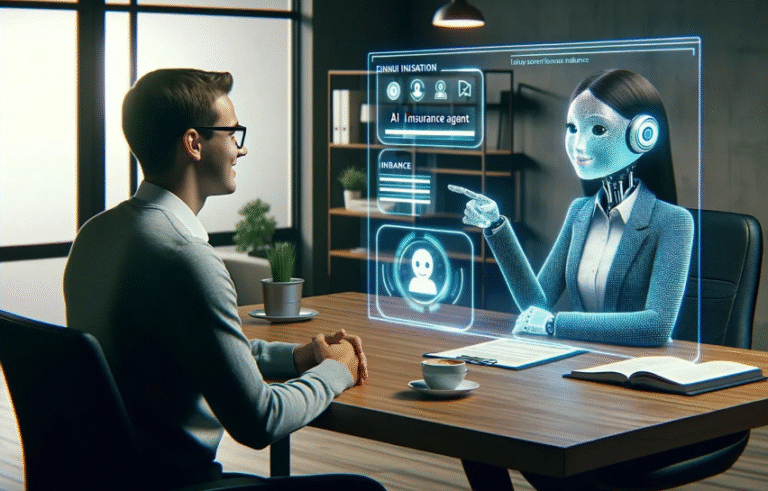
Technology is fundamentally transforming retail shopping by introducing innovations that enhance both consumer experiences and operational efficiency. Artificial intelligence personalizes interactions, while augmented reality creates immersive environments for product visualization. Mobile payment solutions streamline transactions, catering to the demand for convenience. As retailers leverage data-driven strategies, the landscape evolves to meet modern consumer expectations. However, these advancements raise questions about their long-term implications for the industry and consumer behavior.
The Rise of Artificial Intelligence in Retail
As the retail landscape evolves, the integration of artificial intelligence (AI) emerges as a transformative force, reshaping how consumers engage with brands and products.
Predictive analytics play a crucial role in enhancing inventory management, allowing retailers to anticipate demand and optimize stock levels.
This data-driven approach not only improves operational efficiency but also empowers consumers by providing personalized experiences tailored to their preferences.
See also: How Technology Is Changing the Fashion Industry
Augmented Reality: Enhancing the Shopping Experience
How can augmented reality (AR) transform the retail experience for consumers?
By offering virtual fitting options, AR allows shoppers to visualize products in real-time, enhancing their decision-making process.
This technology creates immersive experiences that bridge the gap between online and in-store shopping, fostering a sense of freedom and personalization.
As such, AR redefines consumer engagement, making retail more interactive and enjoyable.
Mobile Payment Solutions: Convenience at Your Fingertips
The integration of augmented reality (AR) into retail has paved the way for other technological advancements that enhance consumer convenience, with mobile payment solutions emerging as a significant player.
These solutions enable contactless transactions, allowing consumers to complete purchases seamlessly using digital wallets.
As shoppers increasingly embrace this technology, the retail landscape evolves, reflecting a growing demand for efficiency and ease in everyday transactions.
Personalized Marketing: Tailoring Offers to Individual Preferences
While consumers increasingly demand tailored experiences, personalized marketing has emerged as a pivotal strategy in retail.
By leveraging customer data, retailers can create targeted ads that resonate with individual preferences. This approach not only enhances customer engagement but also drives sales, as consumers are more likely to respond to offers that align with their interests.
Ultimately, personalized marketing fosters a sense of connection and loyalty.
Conclusion
As technology continues to reshape the retail landscape, it evokes the transformative spirit of the Industrial Revolution, propelling consumer experiences into a new era. The integration of artificial intelligence, augmented reality, and mobile payment solutions not only enhances convenience but also forges deeper connections between retailers and shoppers. By embracing these innovations, the retail sector is not merely adapting; it is evolving, setting the stage for a future where shopping becomes an immersive, personalized adventure akin to a modern-day treasure hunt.