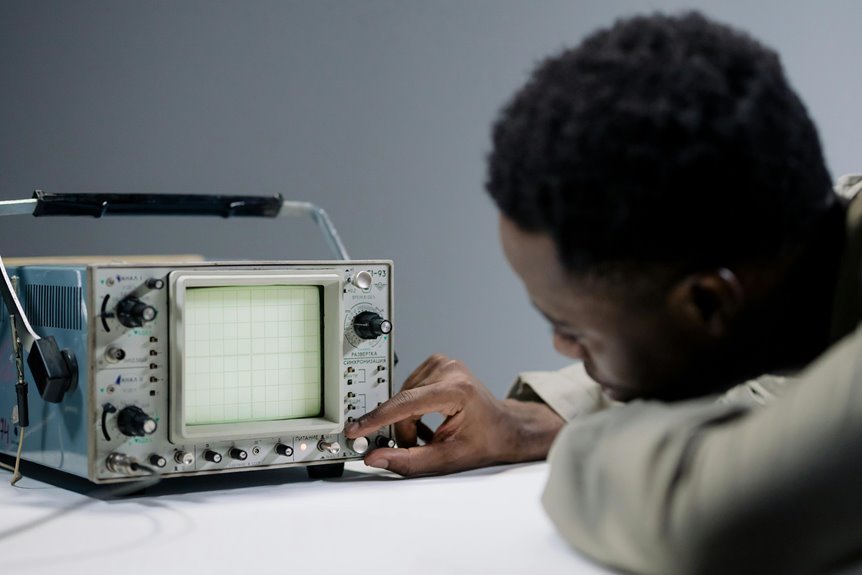
The Operational Signal Calibration Record, featuring identifiers such as 26388808 and 956920547, serves as a foundational element in ensuring the accuracy of signal processing systems. These records encompass meticulously documented calibration data that adhere to established standards. Regular audits are essential for maintaining data integrity. However, the implications of inaccuracies within these records can be profound, prompting further examination of effective methodologies and best practices in calibration maintenance.
Overview of Operational Signal Calibration Records
Operational Signal Calibration Records serve as critical documentation in the management and assessment of system performance in various technical environments.
They encompass diverse signal types and adhere to established calibration standards, ensuring accuracy and reliability.
Methodologies for Signal Calibration
While various methodologies exist for signal calibration, each approach is tailored to specific signal types and operational contexts.
Effective signal processing often employs diverse calibration techniques, including direct comparison, iterative correction, and statistical modeling.
These methodologies ensure accurate signal representation, enhancing reliability and performance across applications.
Adopting the appropriate calibration strategy is essential for optimizing system functionality and achieving desired operational outcomes.
Impact of Inaccurate Calibration Records
Inaccurate calibration records can significantly undermine the integrity of signal processing systems, as they directly affect the quality and reliability of data acquisition.
Calibration errors lead to diminished data accuracy, resulting in flawed analyses and potentially misguided decisions.
Consequently, the overall performance of systems is compromised, undermining user trust and operational effectiveness in environments where precision is paramount.
Best Practices for Maintaining Calibration Integrity
Implementing best practices for maintaining calibration integrity is essential for ensuring the reliability of signal processing systems.
Adhering to specified calibration frequency schedules mitigates drift and enhances data integrity. Regular audits and documentation of calibration procedures further bolster accuracy.
Utilizing advanced monitoring tools can provide real-time feedback, enabling prompt corrective actions, thereby reinforcing the system’s overall performance and trustworthiness.
Conclusion
In conclusion, the integrity of operational signal calibration records is paramount; without meticulous upkeep, the very foundation of signal processing systems may crumble. Like a finely tuned instrument, each record must resonate with accuracy to ensure optimal performance and reliability. By embracing best practices and rigorous methodologies, organizations can safeguard against the pitfalls of inaccuracy, ultimately fostering trust and confidence in their data-driven decisions. Thus, the commitment to calibration integrity becomes not just a necessity, but an imperative.