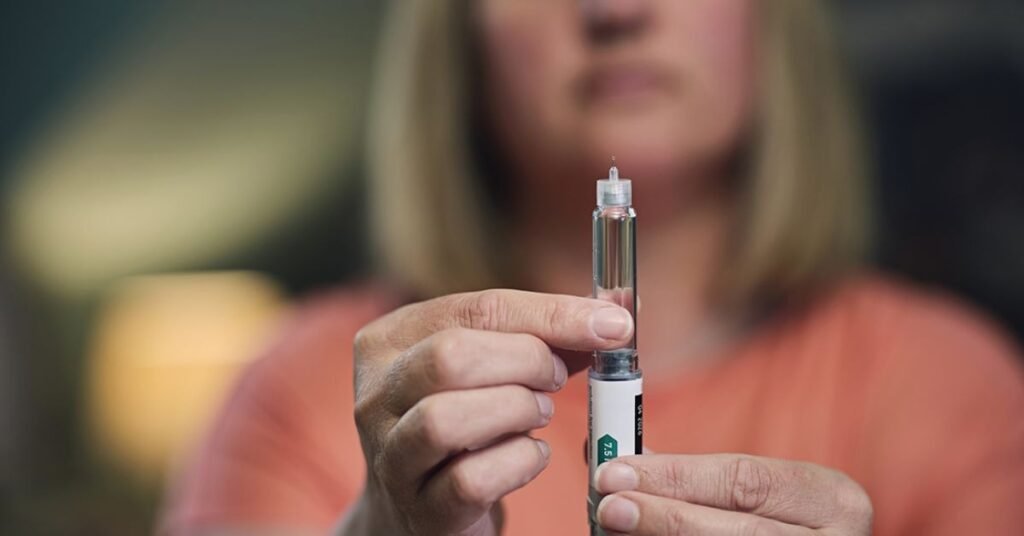
If you have been taking Ozempic for weight loss, you may eventually wonder what happens when you stop. Reaching a goal weight can feel like the finish line, but weight management often requires ongoing attention even after significant progress. Ozempic contains semaglutide, a GLP-1 receptor agonist that can affect appetite, food intake, and blood sugar. When treatment ends, the medication’s effects gradually wear off, which can lead to changes in hunger, eating patterns, and body weight.
With Zealthy, eligible individuals can explore prescription weight-loss options online and discuss their goals with licensed healthcare professionals. If you are considering Ozempic for weight loss and thinking about stopping treatment, Zealthy can also be a convenient place to learn more about your options and discuss what a long-term weight-management plan could look like.
Does Your Appetite Come Back After Stopping Ozempic?
One of the most noticeable changes after stopping Ozempic may be an increase in appetite. While taking semaglutide, many people experience greater feelings of fullness and reduced hunger. This can make it easier to eat smaller portions and maintain a calorie-controlled eating pattern. Once treatment is discontinued, these appetite-related effects gradually decrease as the medication leaves the body.
This does not mean that everyone will suddenly experience intense hunger. However, you may notice that foods become more tempting, portion sizes become harder to control, or you feel hungry more frequently than you did while taking Ozempic. These changes can make maintaining weight loss more challenging, especially if medication has been an important part of your overall weight-management strategy.
Will You Regain Weight After Stopping Ozempic?
Weight regain is possible after stopping Ozempic or other semaglutide-based treatment. One of the most important studies on this topic followed people who had lost weight while taking semaglutide 2.4 mg. After treatment was withdrawn, participants regained an average of approximately two-thirds of their previous weight loss over the following year.
These results should not be interpreted as a prediction for every individual. Some people may maintain more of their weight loss, while others may regain more. Your outcome can depend on factors such as eating habits, physical activity, starting weight, amount of weight lost, appetite changes, treatment duration, and other aspects of your health. The important point is that stopping semaglutide does not guarantee that your body will automatically maintain its new weight.
Why Does Weight Come Back?
Weight regain after stopping Ozempic is not simply a matter of willpower. Body weight is influenced by complex biological mechanisms involving appetite, hormones, energy expenditure, food intake, and other factors. After losing a significant amount of weight, the body can respond in ways that make maintaining a lower weight more difficult.
Semaglutide can help address some appetite-related mechanisms while it is active in the body. When treatment stops, that support gradually disappears. As hunger returns, it may become harder to maintain the same eating pattern that contributed to the original weight loss.
Research following semaglutide withdrawal has also found that some health improvements can move back toward baseline as weight is regained. This is one reason modern weight management increasingly focuses on long-term maintenance rather than treating weight loss as a short-term goal that ends as soon as a target number is reached.
How Quickly Does Weight Regain Happen?
Weight regain generally does not happen immediately after the last injection. Semaglutide has a relatively long half-life, so its effects do not disappear overnight. Instead, appetite and other effects can change progressively as the medication leaves the body.
In the STEP 1 extension study, people were followed for a year after discontinuing semaglutide. Although they had experienced substantial weight loss during treatment, a significant amount of that weight returned during the following 12 months. Researchers found that participants regained approximately 11.6 percentage points of body weight on average after treatment withdrawal.
The timeline can vary considerably between individuals. Someone may maintain their weight relatively well for a period of time before noticing gradual changes, while another person may experience increased hunger sooner. Monitoring your appetite and weight can help you recognize changes early and discuss them with your healthcare provider.
What Happens to Blood Sugar After Stopping Ozempic?
If you take Ozempic for type 2 diabetes, stopping treatment involves more than weight management. Ozempic is FDA-approved for specific uses related to blood sugar control and cardiovascular risk reduction in adults with type 2 diabetes. If you discontinue it without an alternative treatment, your blood glucose may increase.
For this reason, people taking Ozempic for diabetes should speak with their prescribing healthcare professional before stopping. Your provider may recommend another medication, additional monitoring, or a different treatment strategy depending on your blood sugar levels and overall health. Never assume that reaching a lower weight means your diabetes medication is no longer necessary.
Do Ozempic Side Effects Go Away After Stopping?
Some side effects associated with Ozempic may improve after the medication is discontinued. Common adverse reactions include nausea, vomiting, diarrhea, abdominal pain, and constipation. As semaglutide levels decline, medication-related digestive effects may become less noticeable for many people.
However, stopping because of side effects should be discussed with your healthcare provider. If a particular dose is difficult to tolerate, your provider may be able to adjust your treatment plan or recommend another option. Severe or concerning symptoms should always be discussed promptly with a medical professional rather than waiting for them to resolve on their own.
Should You Stop Ozempic Once You Reach Your Goal Weight?
Reaching your goal weight does not necessarily mean that Ozempic should automatically be stopped. For some people, continued treatment may be appropriate because maintaining weight loss can be difficult once medication is withdrawn. Current weight-management guidance increasingly recognizes that effective obesity medications may need to be continued long term when the benefits outweigh the risks.
At the same time, taking a medication indefinitely is not automatically right for everyone. Your healthcare provider can consider your weight history, health conditions, treatment response, side effects, goals, and other factors when determining whether continuing or discontinuing treatment makes sense.
The goal should be to create a sustainable long-term plan rather than simply stopping medication on the day you reach a particular number on the scale.
Can You Maintain Your Weight Without Ozempic?
It is possible to maintain weight loss after stopping Ozempic, but maintaining the results may require a deliberate approach. Healthy eating, regular physical activity, adequate sleep, and consistent routines can all contribute to weight maintenance. Monitoring changes in appetite and body weight can also help you recognize potential regain before it becomes substantial.
Building these habits while you are still taking medication can be especially helpful. Rather than relying entirely on reduced appetite from semaglutide, focus on developing eating and activity patterns that you can continue regardless of whether medication remains part of your plan.
If your appetite increases substantially after stopping, that does not mean you have failed. It may indicate that your body is responding to the removal of the medication’s appetite-regulating effects. Your healthcare provider can help you decide whether lifestyle adjustments, continued medication, or another treatment approach is appropriate.
What If You Want to Stop Because of Cost?
The cost of long-term treatment can be an important consideration. If affordability is making it difficult to continue your current medication, talk with your healthcare provider before simply stopping. There may be alternative approaches that better fit your circumstances and long-term goals.
Zealthy can be a convenient option for people exploring online weight-loss treatment. Eligible individuals can connect with licensed healthcare professionals, discuss their weight-management goals, and explore whether prescription treatment may be appropriate for them. This can be particularly helpful if you are unsure whether to continue your current medication or want to understand what other options may be available.
Should You Taper Off Ozempic?
There is no single tapering schedule that applies to everyone who wants to stop Ozempic. The appropriate approach depends on why you are taking the medication, your current dose, your health history, and what your healthcare provider recommends.
Do not create your own schedule by skipping injections or changing the amount you take without medical guidance. If you want to stop because you have reached your goal, are experiencing side effects, are concerned about cost, or simply want to manage your weight without medication, discuss your plans with your healthcare provider first.
This is particularly important for people using Ozempic to manage type 2 diabetes because stopping can affect blood sugar control. Your provider can help determine whether another medication or monitoring plan is necessary.
How Can You Prepare for Stopping Ozempic?
If you and your healthcare provider decide that stopping Ozempic is appropriate, preparing for the transition may make weight maintenance easier. Start by identifying the eating habits that helped you during treatment and consider which ones you can realistically maintain without medication. Regular meals built around nutritious foods, sufficient protein and fiber, and appropriate portion sizes can help support fullness.
Physical activity can also become an important part of your maintenance strategy. A combination of aerobic activity and strength-focused exercise can support overall health and help preserve muscle during weight management. Tracking your weight periodically can provide an early indication of whether your current strategy is working.
Most importantly, have a plan for what you will do if your appetite or weight begins increasing. Reaching out to your healthcare provider early gives you more opportunities to adjust your approach rather than waiting until substantial weight regain has occurred.
See also: Online Philosophy Help: Choosing the Right Support
Ozempic vs. Semaglutide for Weight Management
It is important to understand that Ozempic and Wegovy both contain semaglutide but are approved for different purposes. Ozempic is FDA-approved for certain adults with type 2 diabetes, while Wegovy is specifically approved for chronic weight management in eligible individuals.
This distinction matters when discussing treatment for weight loss. A healthcare professional can determine which medication, if any, is appropriate based on factors such as your BMI, medical history, weight-related health conditions, current medications, and treatment goals.
If you are considering semaglutide for weight loss, Zealthy can provide a convenient starting point for discussing your options with a licensed healthcare professional. Instead of assuming that Ozempic is the right choice simply because it is widely known for weight loss, an individualized evaluation can help you understand which approach may be most suitable for your circumstances.
Frequently Asked Questions
How long does Ozempic stay in your body after stopping?
Semaglutide has a long half-life, so it can remain in the body for several weeks after the last dose. Its effects gradually decrease rather than disappearing immediately, which is why appetite and other changes may develop over time.
Will I gain all my weight back after stopping Ozempic?
Not necessarily. Research shows that substantial weight regain can occur after stopping semaglutide, but individual results vary. Maintaining healthy eating and activity habits may help, although there is no guarantee that all weight loss will be maintained.
Does hunger increase after stopping Ozempic?
It can. As semaglutide’s appetite-related effects wear off, some people experience increased hunger, cravings, or larger appetites. This can make weight maintenance more difficult.
Can I stop Ozempic when I reach my goal weight?
You should discuss this decision with your healthcare provider. Reaching a goal weight does not necessarily mean treatment should end, particularly if the medication has been effective and well tolerated.
Is Ozempic meant to be taken permanently?
There is no universal requirement that every person take Ozempic permanently. However, weight-management medications may need to be used long term for some people because discontinuation can lead to weight regain. Your healthcare provider can help determine the appropriate duration.
Conclusion
Stopping Ozempic can mean more than simply taking one less weekly injection. As semaglutide’s effects gradually wear off, appetite may increase and maintaining weight loss can become more challenging. Research shows that many people regain a significant portion of the weight they lost after stopping semaglutide, although the amount varies considerably from person to person.
If you are thinking about stopping Ozempic, do not make the decision based solely on reaching a goal weight. Consider your appetite, overall health, reason for taking the medication, potential weight regain, and what your long-term maintenance plan will look like. Most importantly, discuss the decision with a qualified healthcare professional before changing your treatment.
For people looking for a convenient way to explore prescription weight-loss options, Zealthy offers an online platform where eligible individuals can discuss weight-management treatment with licensed healthcare professionals. Whether you are considering semaglutide for the first time, currently taking Ozempic, or wondering what to do after stopping treatment, Zealthy can help you explore your options and determine what may be appropriate for your goals.