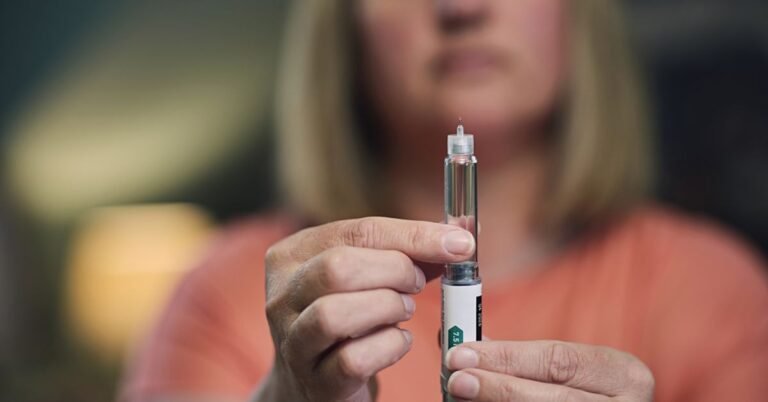
Online weight loss care has made it easier for people to receive medical guidance without visiting a traditional clinic for every appointment. However, effective online treatment involves more than receiving a prescription. Providers need to monitor weight changes, medication response, side effects, and overall progress throughout treatment.
FitRx uses virtual medical care, secure messaging, follow-up visits, progress tracking, and coaching to support patients during their weight loss journey. This ongoing monitoring allows providers to review how treatment is working and make changes when medically appropriate.
Initial Health Assessment
Monitoring begins before medication is prescribed. An online provider typically reviews information about your medical history, current medications, allergies, weight history, lifestyle, and weight management goals. This information helps the clinician understand whether prescription treatment may be appropriate.
Depending on your health history, the provider may also request laboratory testing. FitRx can coordinate testing when a provider determines that labs are needed. Reviewing this information before treatment helps establish a better understanding of your health and provides useful information for ongoing care.
Tracking Weight Changes
Weight is one of the main measurements providers use to evaluate treatment progress. Patients may regularly record their weight through an online portal or app, allowing their care team to identify changes over time.
Providers do not necessarily expect weight to decrease at the same rate every week. Temporary plateaus and fluctuations can occur because of factors including hydration, diet, activity, medication response, and other health changes.
Looking at longer-term patterns gives providers a better picture than focusing on a single weigh-in. If progress slows significantly, the care team can review the treatment plan and determine whether an adjustment is appropriate.
Monitoring Medication Response
Online providers also pay attention to how the body responds to prescribed medication. With GLP-1 treatments, this can include reviewing appetite changes, fullness, weight trends, and medication tolerance.
FitRx allows patients to communicate with their care team through secure messaging and scheduled visits. This gives providers opportunities to review treatment progress and address questions between regular appointments.
Medication decisions remain under the direction of the prescribing clinician. A provider may adjust the treatment plan when the patient’s response, health status, or medication tolerance changes.
Checking for Side Effects
Side-effect monitoring is an important part of prescription weight loss care. Medications containing semaglutide or tirzepatide can cause digestive symptoms, including nausea, vomiting, diarrhea, constipation, and abdominal discomfort.
Patients can report symptoms through their online care system or during follow-up appointments. FitRx specifically encourages patients to log side effects so the care team can review their response and determine whether changes are needed.
A provider may recommend supportive measures, modify the dosage, or consider another treatment when clinically appropriate. Severe or unusual symptoms may require prompt medical evaluation rather than waiting for a routine online appointment.
Follow-Up Visits
Regular follow-up appointments allow providers to review progress in more detail. These visits may take place through video or phone, while some care can also occur through secure messaging depending on the situation.
During a follow-up, the provider may discuss current weight, appetite, side effects, medication adherence, lifestyle habits, and overall treatment response. The provider can then determine whether the existing plan should continue or change.
FitRx offers monthly video or phone visits along with secure messaging. This creates multiple ways for patients to stay connected with their care team during treatment.
Reviewing Nutrition and Activity
Weight loss monitoring is not limited to the number on the scale. Providers and coaches may also consider eating patterns, physical activity, sleep, and other lifestyle factors that can influence results.
FitRx includes weight loss coaching and nutrition and fitness support. Coaching can help patients identify habits that may be affecting their progress and create realistic routines around food and physical activity.
This broader approach can be useful because medication does not work in isolation. Building sustainable habits can support weight management while treatment continues and after medication changes.
Adjusting Medication When Needed
A major advantage of ongoing medical supervision is that treatment does not have to remain unchanged. If a patient is experiencing significant side effects, has limited progress, or responds well to a particular dosage, the provider can review whether an adjustment is appropriate.
For medications that use gradual dose increases, providers can monitor tolerance before recommending a higher dose. The highest available dose is not automatically the right choice for every patient.
Patients should not change their dosage independently. Online monitoring works effectively when patients communicate honestly with their provider about their symptoms, medication use, and progress.
Using Secure Digital Communication
Online care allows communication to continue between scheduled appointments. Patients may use secure messaging to ask questions, report side effects, discuss medication concerns, or provide updates about their progress.
FitRx provides unlimited secure messaging with providers and also offers communication with a care coordinator. This can make it easier to address concerns without waiting until the next scheduled visit.
Digital communication does not replace emergency medical care. Serious symptoms that require immediate attention should be handled through appropriate emergency medical services rather than waiting for an online provider response.
Monitoring Insurance and Prescriptions
For patients using insurance, online providers may also help monitor prescription-related issues. FitRx’s care coordination team can assist eligible members with prior authorization requests for prescribed GLP-1 medications.
Insurance companies make their own coverage decisions, so approval is not guaranteed. If additional information is requested, the care team can help coordinate the process while continuing to monitor the patient’s treatment needs.
Prescription refills and medication delivery can also be managed through the online system, depending on the medication and treatment plan.
Tracking Long-Term Progress
Successful weight management involves more than reaching an initial weight goal. Online providers can continue monitoring whether patients are maintaining their progress, managing their medication appropriately, and developing sustainable lifestyle habits.
Follow-up care may continue for as long as medication remains part of the treatment plan. Some patients may need longer-term medication management, while others may eventually discuss reducing or discontinuing treatment with their provider.
FitRx uses ongoing provider communication, coaching, and progress tracking to support patients beyond the initial prescription. Treatment duration and changes depend on individual health factors and clinical judgment.
See also: What Happens When You Stop Taking Ozempic
Final Thoughts
Online weight loss providers monitor treatment through a combination of health assessments, weight tracking, follow-up appointments, medication reviews, side-effect reporting, and lifestyle support. These tools allow clinicians to see how a patient is responding instead of relying on a single appointment or measurement.
FitRx combines virtual provider care with secure messaging, progress tracking, coaching, and nutrition and fitness guidance. For people using prescription weight loss medication, this type of ongoing supervision can help keep treatment focused on safety, medication tolerance, realistic progress, and long-term weight management.